Professional wakesurfer · World Champion · Wakr contributor · Updated Jun 19, 2026 · 7 min read
Short answer
The most common beginner wakesurfing mistakes are pulling yourself up with your arms, standing too fast, staying in the white water, looking down, dropping the rope too early, making huge movements, and trying tricks before learning board control. Most of these mistakes are easy to fix by staying relaxed, using small weight shifts, finding the pocket, and building fundamentals first.
Best forNew wakesurfers
Main skillFixing beginner habits
Biggest mistakeTrying to rush the basics
Key cueSmall adjustments create big changes
Good to read afterHow to Drop the Rope in Wakesurfing
Why Beginner Mistakes Are Normal
One of the things I love most about teaching wakesurfing is that almost everyone struggles with the same things when they're getting started.
The good news is that most beginner mistakes are easy to fix once you understand what is causing them.
I have taught hundreds of riders over the years, and whether it's a kid learning for the first time or an adult who has never been behind a boat, I tend to see the same mistakes over and over again.
Here are the most common ones and how I help riders fix them.
Ten Mistakes I See All the Time
These are the habits I correct most often with new riders.
Mistake #1: Trying to Pull Yourself Up
This is probably the most common mistake I see.
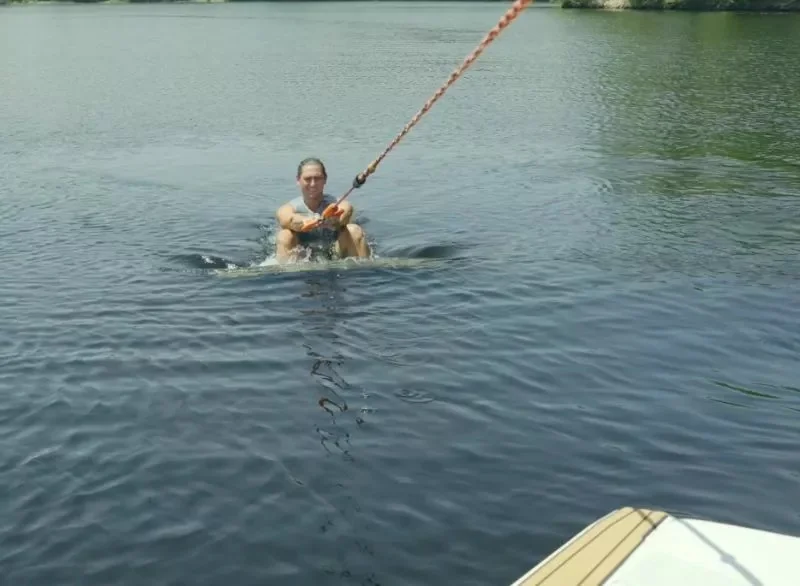
When beginners feel the boat start pulling, their instinct is to use their arms to pull themselves up. The problem is the boat is much stronger than you.
Instead of pulling yourself up, let the boat do the work for you. Stay compact and stable. Once the board flips up to your feet, stand up like you're getting out of a chair. If the start keeps beating you up, go back to how to get up wakesurfing.
Mistake #2: Standing Up Too Fast
A lot of riders rush the process. As soon as they feel movement, they try to jump to their feet.
When this happens, the board often shoots away, or the rider loses balance immediately.
Mistake #3: Staying in the White Water
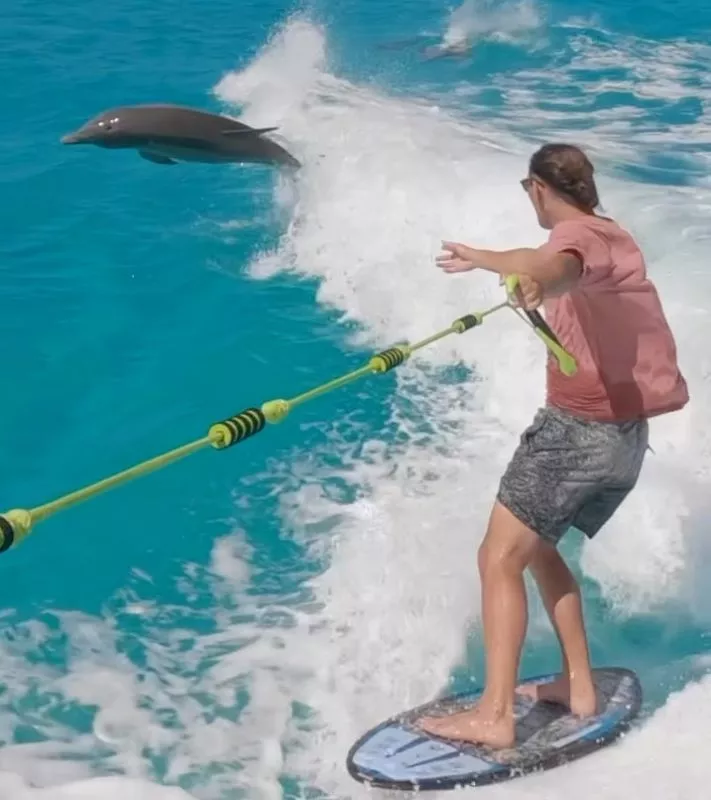
Once riders get up, many stay directly behind the boat in the white water.
The problem is that the white water is turbulent and unpredictable. The clean face of the wave is where wakesurfing becomes easier.
Mistake #4: Looking Down at Your Feet
This one happens all the time. New riders want to see what their feet are doing, so they stare down at the board.
Unfortunately, where your eyes go, your body tends to follow.
Mistake #5: Pulling Yourself Into the Wave
Once riders are next to the wave, many try to pull themselves closer using the rope.
This can be unsafe because riders sometimes start wrapping the rope around their hands or pulling in a way that makes it easier to get tangled if they fall.
It also usually throws off their balance. When riders are still learning, they often don't fully understand where the sweet spot is yet, so they pull themselves into the wrong place and lose control.
Mistake #6: Dropping the Rope Too Early
Everyone wants to surf without the rope. I get it.
But dropping the rope before you have found the sweet spot usually ends with the rider drifting out the back of the wave.
Mistake #7: Standing in One Spot
Many riders find the sweet spot and refuse to move.
That's great for building confidence, but it's not great for progression.
Mistake #8: Making Huge Movements
Another common beginner mistake is overcorrecting.
Riders move too far forward, then too far back, then too far forward again. Everything becomes exaggerated.
Mistake #9: Too Much Weight on the Front Foot
This mistake usually shows up once riders start carving or getting a lot of speed toward the boat.
They move down the wave and accidentally put too much pressure on the front foot. The result is usually a nose dive, and the rider gets launched.
Mistake #10: Trying Tricks Too Soon
This is probably the most preventable mistake.
A lot of riders want to learn spins and airs before they have mastered the basics. The problem is that tricks become much harder when you don't have good board control.
Three Things to Remember
If you only remember three things from this guide, remember these.
Don't rush the basicsGetting up, leaving the white water, finding the pocket, and dropping the rope are all worth practicing.
Make small adjustmentsMost beginner mistakes get worse when riders tense up and overcorrect.
Build control before tricksSpeed control, balance, and recovery make every trick easier later.
Final Thoughts
The best wakesurfers aren't always the most naturally talented riders. They're usually the riders who have mastered the fundamentals.
Every mistake on this list is normal, and every rider goes through at least a few of them. The key is recognizing what is happening and making small adjustments.
Focus on getting comfortable in the water, learning the wave, controlling your speed, and building confidence. Do that, and you will progress much faster than someone who skips straight to tricks. If the wave feels weak or you keep drifting out the back, focus on wave setup and troubleshooting next.
And remember, every great wakesurfer started exactly where you're now.
FAQs
What is the most common mistake beginner wakesurfers make?
The most common mistake is trying to pull yourself up with your arms during the start. The boat should do the work. Keep your arms straight, stay compact, and let the board come underneath your feet before standing.
Why do beginner wakesurfers keep falling in the white water?
The white water is turbulent and unstable. Once you are standing, move toward the clean face of the wave so the board feels smoother and easier to control.
Why do I fall after dropping the rope?
Most riders fall after dropping the rope because they are not in the pocket yet, do not have slack in the rope, or are not using enough front-foot pressure to stay connected to the wave.
How do I stop nose diving on a wakesurf board?
Nose dives usually happen when you put too much weight on your front foot, especially while coming down the face of the wave. Keep a little more pressure on your back foot to help the nose stay up.
When should a beginner start learning wakesurf tricks?
A beginner should start learning tricks after they can control speed, move around the wave, find the sweet spot, carve comfortably, and recover when they get out of position.