
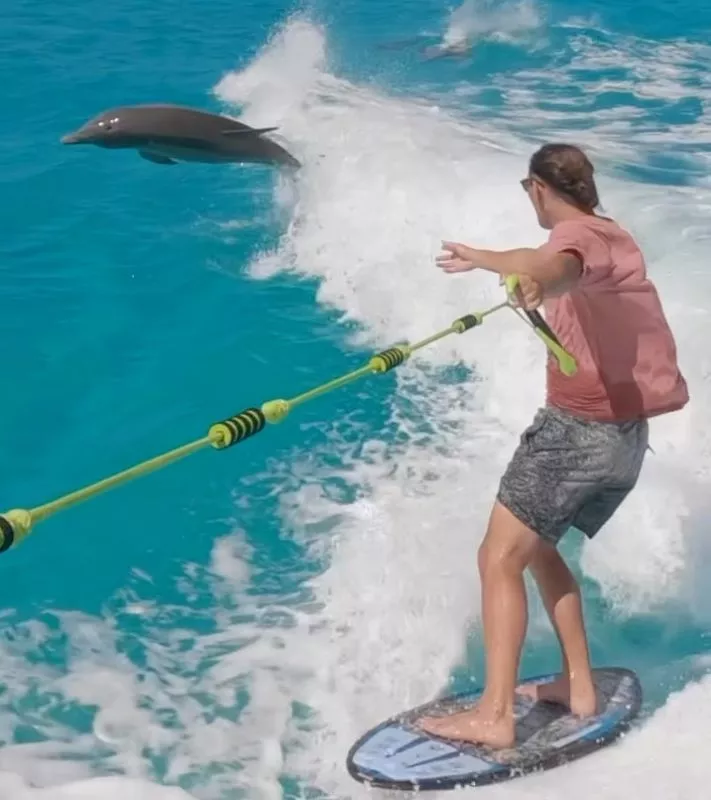
Why Pumping Matters
One of the biggest skills that separates beginner riders from more advanced riders is understanding how to generate speed on the wave. That usually starts with first things to practice after dropping the rope.
When you're first learning to wakesurf, you're mostly focused on staying in the wave and finding the sweet spot. As you progress, though, you start to realize that almost every advanced trick requires speed.
Want to do a wakesurf slash? You need speed. Want to do a wakesurf air? You need speed. Want to do an air 360? You definitely need speed.
That's where pumping comes in. Pumping is one of the most important skills you can learn because it allows you to create speed whenever you need it. The better you become at pumping, the easier every trick becomes.
Here's exactly how I pump the wave and how I teach riders to generate speed behind the boat.
What Is Pumping?
The easiest way to think about pumping is that you're using the shape and energy of the wave to create momentum.
Instead of simply standing in one spot and letting the wave push you, you're actively working with the wave to generate speed.
The goal isn't to work harder. The goal is to work smarter.
When done correctly, pumping should feel smooth and controlled. The wave is already giving you energy. You're simply learning how to use it.
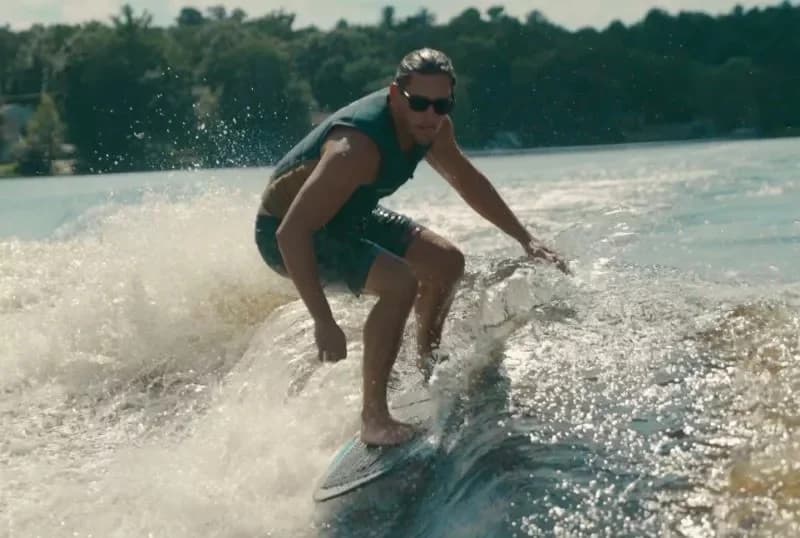
How to Pump Step by Step
Use this sequence to build speed in the pocket.
Start at the Back of the Wave
One of the biggest mistakes I see riders make is trying to start their pump too close to the boat.
I actually like to start toward the back of the wave. This gives me room to build momentum.
Think about setting yourself up at the back portion of the pocket before you begin. If you start too far forward, you will run out of room quickly and won't be able to maximize the speed you're creating.
Starting farther back allows you to use more of the wave and gives you a much better approach.
Ride Up the Face of the Wave
Once you're positioned toward the back of the wave, begin moving up the face.
The movement should feel smooth and controlled. You're not trying to make a huge aggressive turn. You're simply allowing the board to travel up the wave.
As you move up the face, you're preparing to use gravity and the energy of the wave to create speed. This is where the pump begins.
Get Low on the Way Down
As you come back down the face of the wave, I want you to get low.
This is one of the biggest coaching cues I give riders. Think about using the wave almost like you're riding a skateboard down a hill. When you ride a skateboard downhill, gravity naturally helps you gain speed.
The same concept applies here. As you come down the wave, stay athletic and get low. Allow the board to accelerate underneath you.
This is where a lot of the speed is generated.
Apply Weight to Your Front Foot
One of the most important parts of pumping happens as you're coming down the wave.
As you drop down the face, apply pressure to your front foot. This helps the board accelerate and engage with the wave.
A lot of riders stay too neutral with their weight. Others become too back-foot heavy. Both mistakes reduce speed.
Instead, focus on driving through your front foot as you come down the wave. This allows the board to carry momentum and maximize the speed you're generating.
Stay Tight to the Wave
If there's one thing I want riders to remember from this article, it's this: stay tight to the wave.
This is one of the biggest keys to pumping successfully. Many riders generate speed and then immediately drift too far into the flats.
The problem is that once you get too far away from the wave, you start losing momentum. The farther you move away from the pocket, the harder it becomes to maintain speed.
When you're pumping, stay snug to the wave. Stay connected to the energy. Stay connected to the pocket. The tighter you stay to the wave, the more speed you will generate.
Do Not Go Too Far Into the Flats
This mistake is incredibly common.
A rider pumps down the wave and then continues traveling farther and farther into the flats. At first it feels fast, but then all that speed disappears.
The reason is simple. The wave is where the energy exists. The farther away you move from it, the less energy you have available.
Instead of diving deep into the flats, stay close to the wave. Think about moving up and down the face while remaining connected to the pocket. That's where the real speed comes from.
One Pump vs. Two Pumps
Another question I get all the time is: how many pumps should I do?
The answer depends on the trick. For smaller tricks, one pump is usually enough. If you're setting up for something like a slash, a single pump often gives you all the speed you need.
For larger tricks, you usually want more momentum. For example, if you're setting up for a big air 360, I typically recommend doing two pumps.
The first pump starts building speed. The second pump adds even more momentum. By the time you approach the trick, you will have significantly more speed to work with.
Building Momentum for Bigger Tricks
The biggest advantage of pumping is that it allows you to control how much speed you're bringing into a trick.
The more advanced your riding becomes, the more important this skill becomes. Rather than relying entirely on the wave, you learn how to create the exact amount of speed you need. That speed work feeds directly into trick progression later.
This is one of the reasons advanced riders look so smooth. They're not waiting for speed to happen. They're creating it.
Common Pumping Mistakes
One common mistake is starting too close to the boat. Start farther back in the wave so you have room to build speed.
Another mistake is not getting low. If you stay tall as you come down the face, you're leaving speed on the table.
Not using your front foot is another big one. Front-foot pressure is one of the biggest keys to generating speed.
Going too far into the flats also kills speed. Stay connected to the wave because the farther you move away from the pocket, the more speed you lose.
Finally, don't make huge movements. Pumping doesn't need to be exaggerated. Small, controlled movements are often more effective than giant aggressive turns.
My Favorite Pumping Drill
One of the best ways to learn pumping is to practice the movement without trying any tricks.
Start toward the back of the wave. Ride up the face. Get low on the way down. Apply pressure to your front foot. Stay tight to the wave. Then repeat.
Do it over and over until the movement feels natural.
Once you can consistently generate speed, you will notice that every trick becomes easier.
Three Things to Remember
If you only remember three things from this guide, remember these.
- Start farther backGive yourself room to build speed before approaching the trick.
- Get low on the way downUse front-foot pressure as you come down the face to help the board accelerate.
- Stay tight to the waveThe wave is where the energy is. Don't pump yourself too far into the flats.
Final Thoughts
Pumping is one of the most important skills in wakesurfing because it teaches you how to create speed whenever you need it.
The process is simple: start toward the back of the wave, ride up the face, get low as you come down, apply pressure to your front foot, stay tight to the wave, and don't drift too far into the flats.
Whether you're setting up for a slash, an air, or a big air 360, learning how to pump properly will give you more speed, more control, and more confidence behind the boat. Pumping is where speed control starts to connect to trick progression.
Master pumping, and you will unlock an entirely new level of wakesurfing.