
What to Focus on First
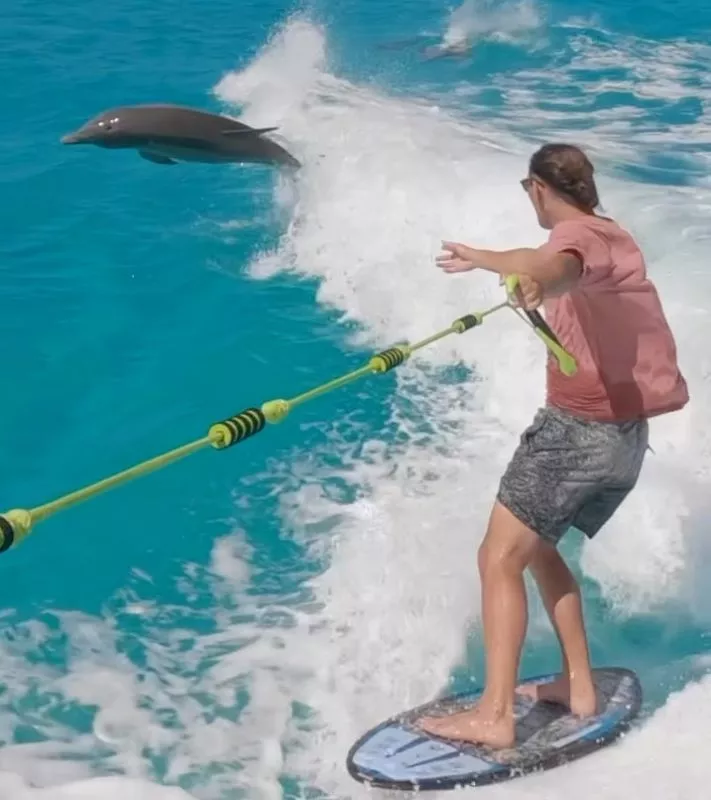
Once you have dropped the rope, don't worry about tricks yet. If you have not dropped the rope yet, start with how to drop the rope in wakesurfing.
The first thing I want riders to learn is how to control their speed on the wave. If you can control your speed, almost every trick becomes easier down the road.
This stage is about learning how the board reacts underneath you. Before you start chasing 360s, airs, or shuv-its, you want to understand how to move around the wave, recover your position, and stay in control without relying on the handle. When you are ready for tricks, build board control first — trick progression guides come later.
Skills to Build First
Focus on these fundamentals before chasing bigger tricks.
Learn How to Move Forward and Backward
I like riders to start by moving toward the swim platform and then moving back toward the end of the wave.
Don't make huge movements at first. Just start learning how the board reacts when you shift your weight and change your position.
The goal is to become comfortable riding throughout the entire wave, not just sitting in one spot. The more comfortable you're moving forward and backward, the easier it becomes to recover when you get out of position.
Learn How to Hit the Gas
One of the easiest ways to explain wakesurfing is that the wave has a gas pedal and a brake pedal.
When you want more speed, move slightly toward the boat and apply a little pressure through your front foot. As you move closer to the boat, you will feel the wave generate more speed.
This is your gas pedal. You're not stomping on the front foot, you're just adding enough pressure to create speed and move back into the pocket. How to pump in the wave goes deeper on generating speed once you understand this feel.
Learn How to Brake
Just as important as speeding up is learning how to slow down.
When you're moving too fast, shift your weight slightly back and allow the board to move farther down the wave. As you move toward the back of the wave, you will feel the board naturally slow down.
This is your brake pedal. Learning how to brake matters because it keeps you from running too far forward into the boat or losing control when the wave gives you extra push.
Practice Finding the Sweet Spot Again
The best riders aren't the ones who stay perfectly in position the entire time. They're the ones who can leave the sweet spot and get right back to it.
I have riders intentionally speed up, slow down, move forward, move backward, and then return to the sweet spot over and over again.
Once you can do that consistently, you're truly controlling the wave instead of letting the wave control you.
Master It Without the Rope
Once you have figured out speed control and can consistently move around the wave while finding the sweet spot, it's time to do it all without the rope.
I want riders to prove they can speed up, slow down, move forward, move backward, and recover their position without relying on the handle.
If you can consistently control your position on the wave without the rope, you're ready for the next progression.
Start Carving
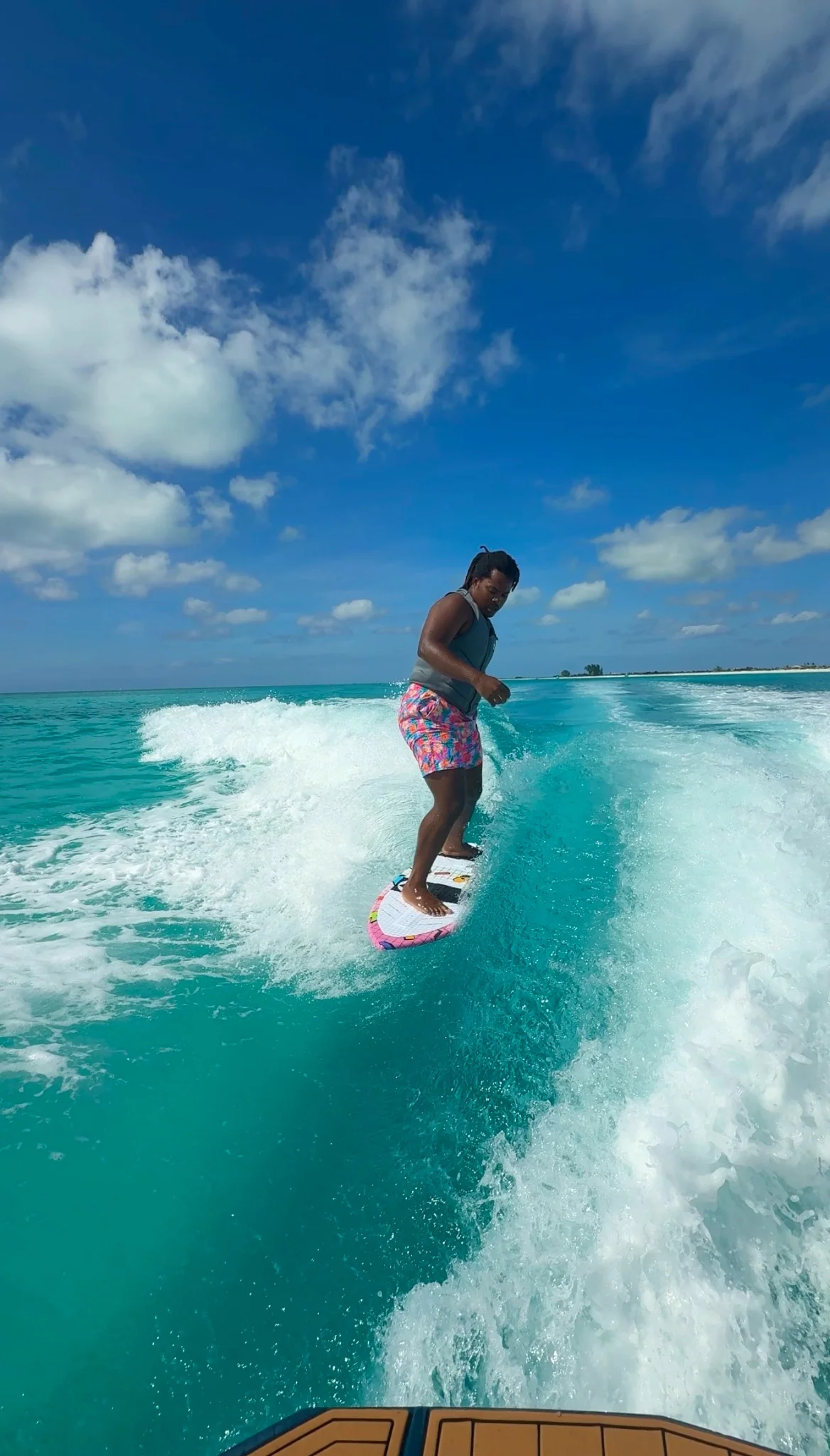
Now it's time to start moving up and down the face of the wave.
One of the biggest mistakes I see is riders trying to carve too aggressively too early. Start slow. The slower you go, the more control you will have and the more you will understand how the board reacts underneath you.
As you move up the wave, you will naturally apply pressure through your toes. As you come back down the wave, you will smoothly transition that pressure back toward your heels.
Think about making smooth, flowing turns rather than sharp, aggressive cuts. That slow carving is the same foundation behind a wakesurf slash.
Keep the Nose Up
As you're coming back down the wave, it's important to keep a little extra weight on your back foot.
Many newer riders make the mistake of putting too much weight on their front foot while descending. When that happens, the nose of the board can dig into the water and cause a nose dive.
A little pressure on the back foot helps keep the nose up and allows the board to glide smoothly down the face of the wave.
Common Mistakes
A common mistake is standing in one place. Many beginners find the sweet spot and refuse to move, but the fastest way to improve is to explore the entire wave.
Another mistake is making huge movements. Small adjustments create big changes, especially when you're learning speed control.
Some riders also spend too much time looking at the boat. Instead, pay attention to what the board and wave are telling you.
Carving too aggressively is another issue. Start slow and focus on control before speed.
Too much weight on the front foot when coming down the wave is one of the most common causes of nose dives.
And finally, don't rush into tricks too soon. The better you understand speed control and carving, the easier every future trick will be.
Three Things to Remember
If you only remember three things from this guide, remember these.
- Control speed before tricksMoving forward and backward on the wave is the foundation for almost everything you will learn later.
- Use gas and brakeYour front foot helps you speed up. Your back foot helps you slow down and keep the nose up.
- Carve slowly firstSmooth, controlled turns teach you more than aggressive cuts when you're still learning.
Final Thoughts
After dropping the rope, the goal isn't to jump straight into tricks. The goal is to learn how to control your position on the wave.
Practice speeding up, slowing down, moving forward, moving backward, finding the sweet spot again, and carving slowly with control.
Once those movements start to feel natural, every trick and progression you learn next will feel a lot easier.