
My Riding Style and Boat
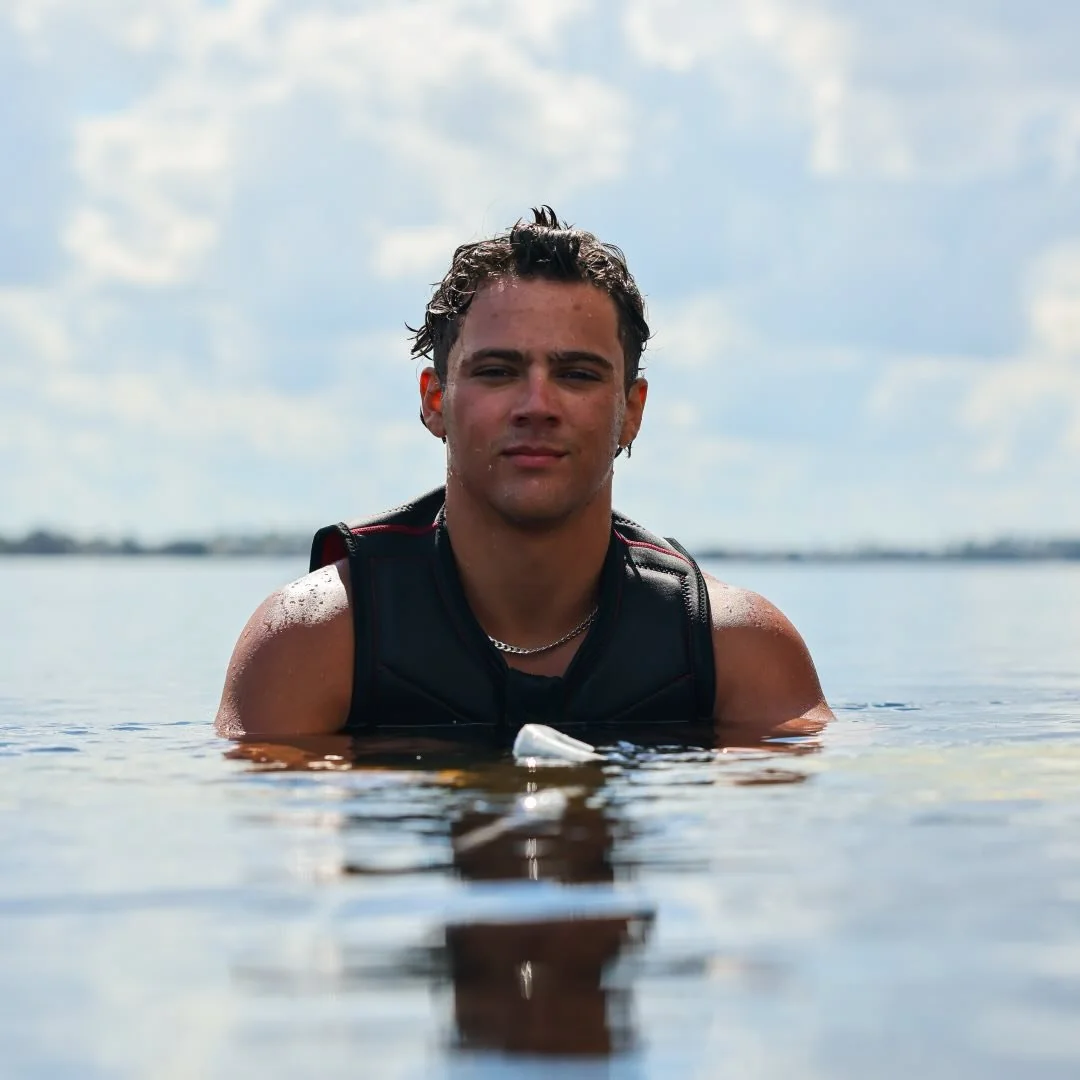
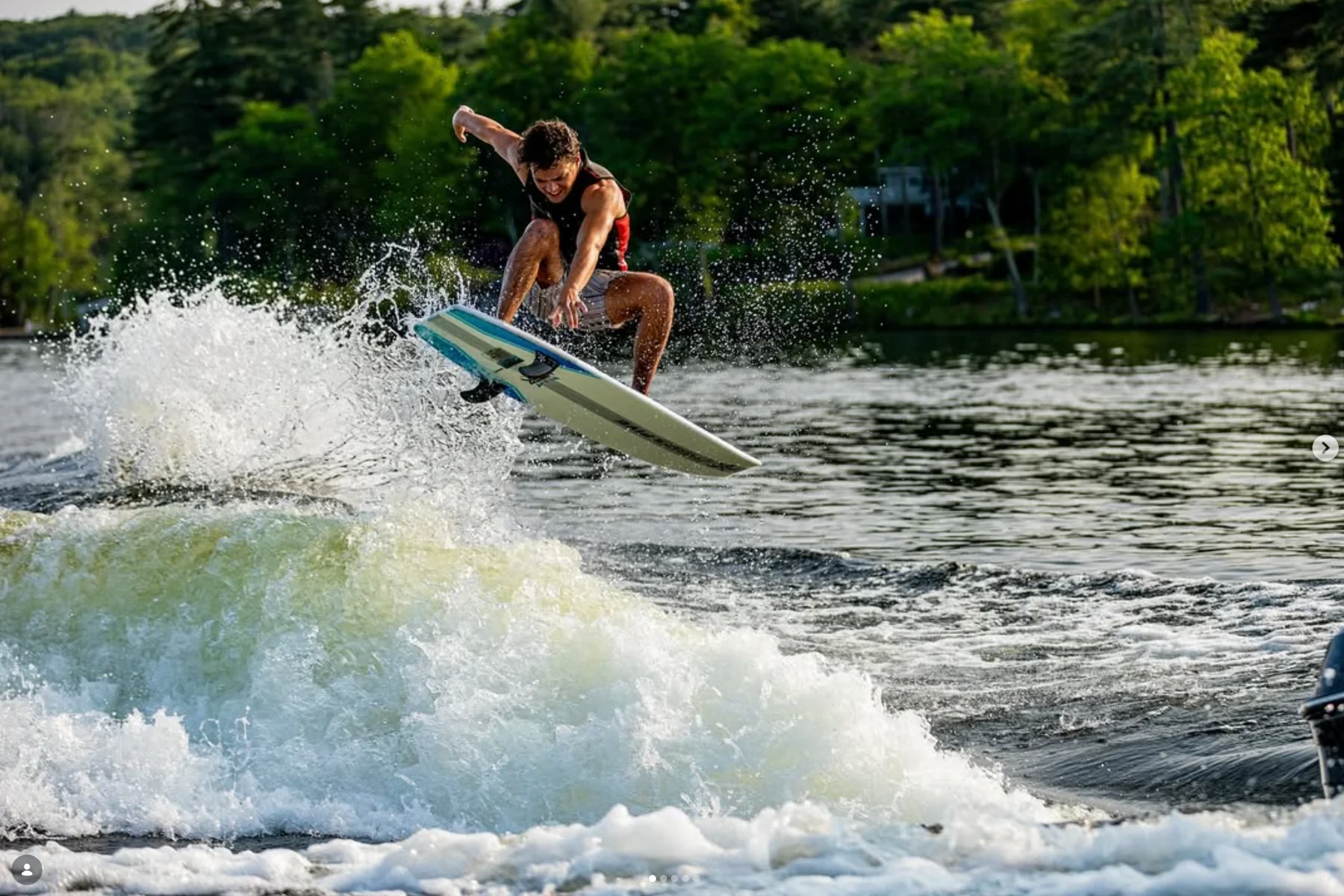
I ride surf style and spend most of my time behind the Ri230.
That hull gives me the push, pocket length, and consistency I want for technical surfing and bigger maneuvers. It is also the boat I know best, which matters when you are trying to repeat the same wave day after day.
Most of my sessions start on the regular side, but I switch to goofy often when I am working on switch tricks or riding with friends who surf the other side. The Ri230 makes that easier because QuickSurf and saved profiles let me flip sides without rebuilding the whole setup from scratch.
If you are newer to wakesurfing, focus on getting comfortable in the pocket first. A dialed wave makes everything else easier.
My Starting Ballast Setup
When I fill the Ri230 for wakesurfing, I am not trying to dump in weight randomly. I want the RAMFILL low, rear bags full, and just enough bow weight to keep the wave long without lifting the nose too much.
My usual starting point is RAMFILL at 90 to 100%, rear PNP bags at 100%, and bow PNP around 25 to 40% when I want a little more length and push.
If the crew is light or fuel is low, I may leave bow PNP empty and let the rear-heavy setup do the work. If we have a full boat, I often reduce rear PNP slightly before adding more bow weight so the wave stays clean instead of washing out.
I treat that combination as my baseline. Once the boat is filled, I save it as a profile on the dash so I am not rebuilding the same setup every morning.
Speed and Stinger Plate
Speed is where a lot of Ri230 owners overthink things.
For surf style, I usually start between 10.8 and 11.1 mph. That range gives me enough push to recover mistakes without making the wave feel too fast for beginners riding with me.
The stinger plate is the setting people forget about. I use it to fine-tune steepness and push after ballast is set. If the wave feels tall but weak, I often bring the stinger plate up slightly. If it feels short or mushy, I may lower it a bit to let the hull sit deeper.
My normal starting range is about 35 to 55%. I rarely make huge stinger changes. A 5 to 10% move is usually enough to feel the difference.
Surf Plate and QuickSurf Settings
Once ballast and speed are set, I use QuickSurf to shape the side I am riding.
For a regular-foot rider on the port side, I run Surf Left. For goofy on starboard, I run Surf Right. The Ri230 switches fast enough that I can flip sides between sets without losing a session.
I pay attention to how the curl looks before anyone gets in the water. I want a clean shoulder, a defined pocket, and enough push that a rider can move up and down the wave without immediately sliding out the back.
If the curl is too steep for beginners, I may ease the surf plate deployment slightly or pull a little bow weight out. If advanced riders want more push, I do the opposite: a touch more rear weight or a slightly deeper plate setting.
Regular vs Goofy Adjustments
My regular and goofy waves are close, but they are not identical.
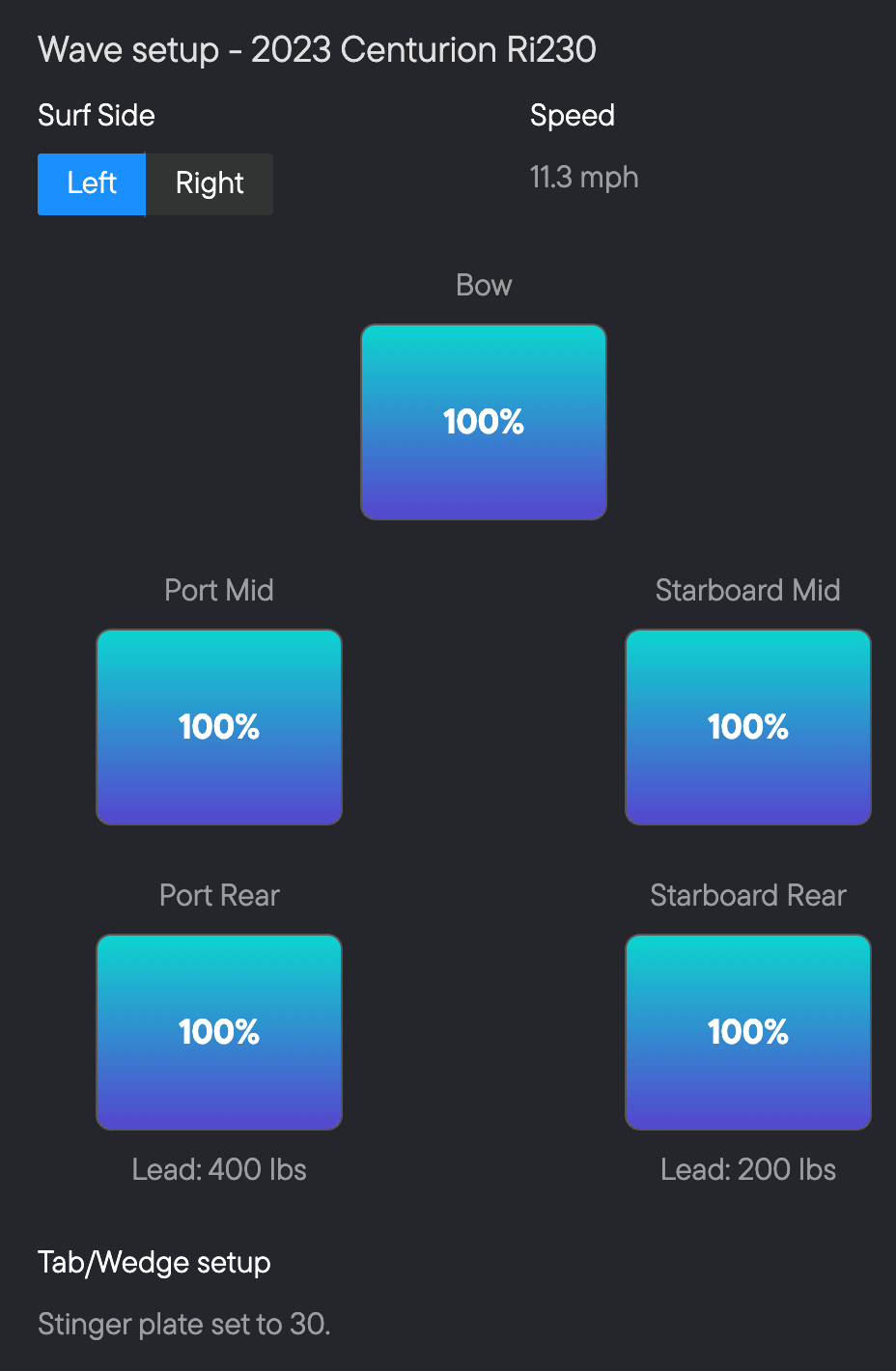
On regular, I usually keep RAMFILL full, rear PNP full, and bow PNP around 30%. Speed stays near 11.0 mph and the stinger plate sits around 45%.
Goofy Side Adjustments
On goofy, I often run the same ballast but drop speed slightly, closer to 10.8 to 10.9 mph, and move the stinger plate down a little. The starboard wave can feel faster to me, so that small speed change keeps the pocket calmer.
I save both setups as separate rider profiles on the dash. That way I am not guessing from memory when someone asks to surf the other side.
Crew Placement and Fuel Level
Ballast gets most of the attention, but crew placement still changes the wave.
If I need more surf-side push, I move one or two people to that side of the boat. If the wave feels too steep, I spread passengers out more evenly.
Fuel level matters more than people think. A full tank rides differently from a near-empty tank, especially on a 23-foot hull with a lot of RAMFILL weight.
When the boat is light on people and fuel, I fill more aggressively. When it is heavy, I start from my baseline and only add weight if the wave actually needs it.
How I Test the Wave
Before I worry about tricks, I test the whole wave.
I ride the pocket, move toward the platform, drift back, ride high on the face, and ride low. I want to know whether the wave recovers me when I get out of position.
If I can move around without fighting the wave, the setup is close. If I am constantly scrambling to stay in the pocket, something still needs a small adjustment.
That testing process is simple: one change, ride again, evaluate, repeat.
Common Ri230 Setup Mistakes
The Ri230 has a lot of capability, which also makes it easy to over-adjust. These are the setup mistakes I see most often when people hop behind the boat expecting an instant contest wave.
Changing too much at once is the biggest one. Someone rides once, does not love the wave, and immediately changes ballast, speed, plates, and crew all at the same time. After that, nobody knows which change actually helped. Pick one variable, make a small move, and ride again.
Maxing ballast before testing is another common issue. The Ri230 can carry a lot of weight, but more is not always better. A maxed-out setup with a light crew can feel tall, steep, and hard for beginners to stay in. Start from a strong baseline, test the wave, then add weight only if you actually need more push or length.
A lot of owners also ignore the stinger plate. They fill RAMFILL, set speed, and skip the plate completely, then assume the boat needs more ballast when the wave actually needs a shape adjustment. Use the stinger plate as a fine-tuning tool after ballast and speed are close.
Not saving rider profiles costs time every weekend. The best setup in the world does not help if you cannot repeat it. Save separate profiles for regular, goofy, beginner, and advanced waves once you find settings you like.
Finally, do not chase the biggest wave on the lake. A huge wave that is hard to stay on is not a great wave for progression. Build a wave with consistent push, a usable pocket, and enough room to move.
Three Things to Remember
If you only remember three things from this guide, remember these.
First, start with a baseline and save it. The Ri230 responds best when you are making intentional changes from a known setup.
Second, use the stinger plate and surf plates as shaping tools, not afterthoughts.
Third, test the whole wave before deciding the setup is wrong.
- Save your baselineUse rider profiles so regular, goofy, and beginner waves are repeatable.
- Shape with platesFine-tune steepness and push with the stinger plate and QuickSurf before chasing more ballast.
- Change one thing at a timeSmall adjustments teach you what the Ri230 is actually responding to.
Final Thoughts
There is no single Ri230 setup that works for every rider, crew, and lake.
What I can give you is the process I use: RAMFILL and rear PNP near full, modest bow PNP when I want length, speed around 10.8 to 11.1 mph, stinger plate fine-tuning, QuickSurf for side selection, and saved profiles for regular and goofy.
From there, I ride, test, and adjust one variable at a time.
That approach has given me a wave I trust for practice, contests, and sessions with friends who are just learning wakesurfing.