
Setting Up for Surf vs. Foil
Hey Wakr, Parker Payne here.
Today we’re diving into wave setup, specifically how dialing in a wave for wakesurfing compares to setting up a wave for wakefoiling.
Foiling has taken over the boating world over the last few years, and with that boom comes a flood of setup questions. Is a foil wave totally different from a surf wave? Do you need to change everything about your setup? Should you use ballast when pulling a foiler?
The short answer is that you do not need to change everything, but your setup should change based on the rider and what they are trying to do.
I’ll use my 2027 Tigé 25ZX Ultré as the example.
My Wakesurf Setup
When I’m wakesurfing, I like to run full ballast at 11.9 to 12.1 mph.
That setup gives me a clean, pushy wave with a nice steep face to work with. For surfing, I want a wave that has strong push, a defined pocket, and enough face to drive against when I’m pumping, carving, or setting up tricks.
For most wakesurf sessions, that full-ballast setup is the baseline I trust.
What Changes for Wakefoiling?
When I switch over to wakefoiling, the biggest change is speed.
For advanced foiling, I usually run about 0.3 to 0.4 mph faster than my wakesurf setup. That puts me right around 12.4 to 12.5 mph.
I still keep full ballast in the boat for this advanced setup.
That extra bit of speed makes a bigger difference than you might think. Running faster stretches out the wave, giving the foiler more room to work behind the boat. It also helps the foil become more efficient, generate more lift, and stay connected to the wave with less effort.
The goal is not just a taller wave. It is a longer, cleaner, more usable wave that gives the foil room to glide.
Should You Use Ballast for Wakefoiling?
Ballast is where things really start to change depending on the rider’s level.
There is no one perfect foil setup for everyone. A brand-new rider and an advanced foiler need very different waves.
Beginner Foilers: Start With No Ballast
For someone hopping on a foil for the very first time, I recommend running no ballast in the boat.
It is simply not necessary when you are learning the basics of balance, board control, and getting comfortable standing on the foil. A smaller, calmer wake is actually easier to learn on because it gives new riders less to manage.
At that stage, the goal is control, not push.
Progressing Foilers: Add Half Ballast
As a rider starts to progress and begins catching the push of the wave more consistently, I recommend filling the ballast about halfway.
That gives the rider more push from the wave and creates a slightly bigger sweet spot to ride in. It also helps as they start experimenting with carving up and down the wave instead of just riding straight behind the boat.
Half ballast is a good middle step because it gives the rider more wave without overwhelming them.
Advanced Foilers: Full Ballast and More Room
For advanced foilers, I recommend running full ballast paired with a medium-size wave setting.
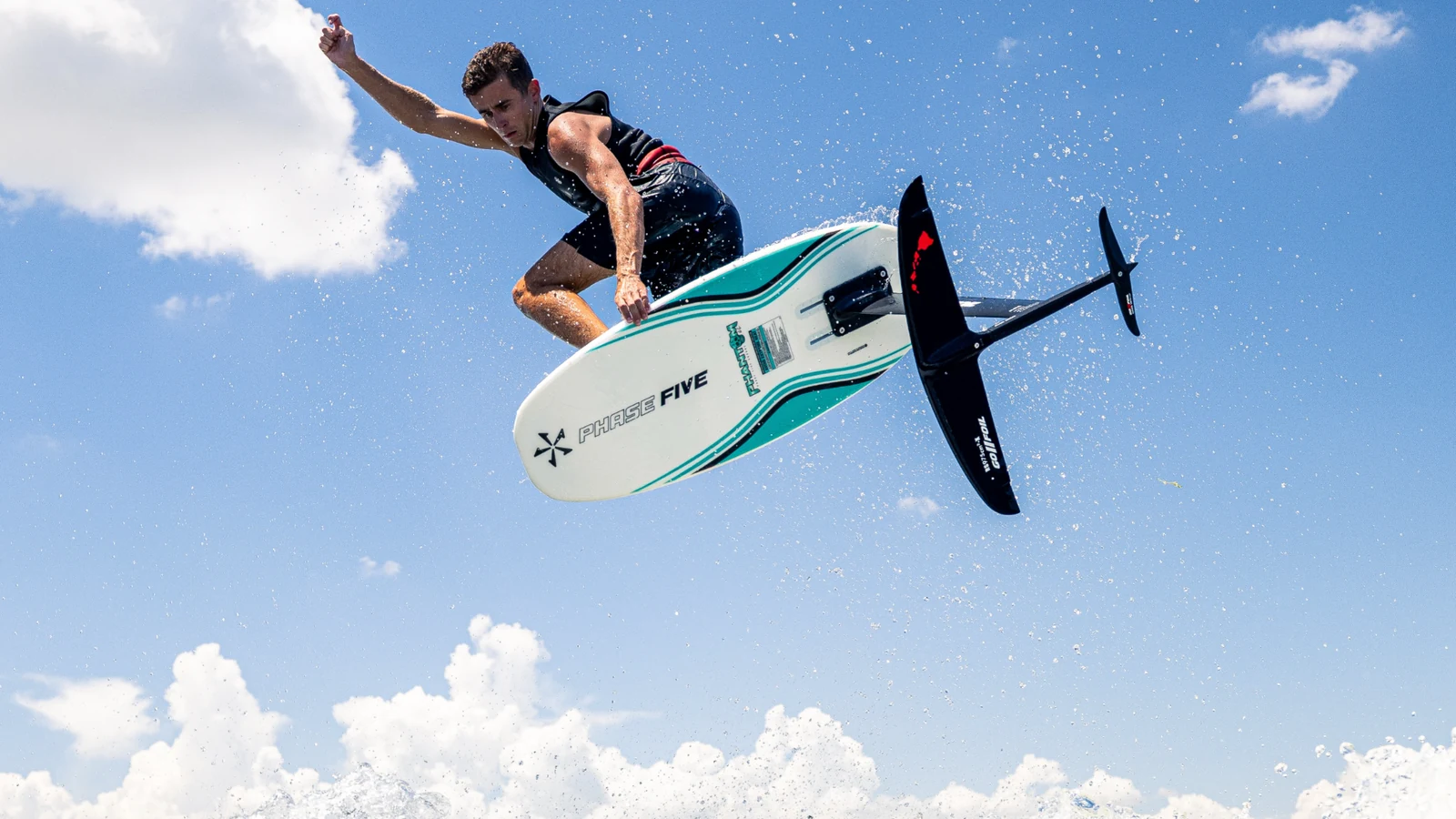
This combination creates maximum push and produces the biggest, most usable wave. It gives experienced riders the room they need to pump, carve, throw aerials, and work on more advanced tricks.
At this level, the extra speed and full ballast work together. Ballast builds the push, and the extra speed stretches the wave so the foil can stay efficient.
Why Speed Matters So Much
Speed changes the shape and feel of the wave.
For foiling, a slightly faster speed helps stretch the wave and gives the foil more efficiency. The foil does not need the exact same steep, surf-style face that a wakesurf board does.
That is why my foil setup is usually a little faster than my wakesurf setup.
Small speed changes can make a big difference, so do not be afraid to adjust in small increments and see how the rider feels.
Three Things to Remember
If you only remember three things from this guide, remember these.
- WakesurfingWakesurfing usually wants full ballast and a pushy wave.
- Beginner foilersBeginner foilers do not need a huge wave. No ballast is usually easier.
- Advanced foilersAdvanced foilers can use more speed and ballast to create more room, more lift, and more push.
Final Thoughts
Wakesurf and wakefoil waves are related, but they are not exactly the same.
For surfing, I want a clean, steep, pushy wave at about 11.9 to 12.1 mph with full ballast.
For advanced foiling, I keep the ballast but add a little more speed, usually landing around 12.4 to 12.5 mph. That helps stretch the wave, improve foil efficiency, and give the rider more room to work.
The best setup depends on the rider. Start small, add ballast as they progress, and only build the full setup once they are ready for it.